 Jane
Jane
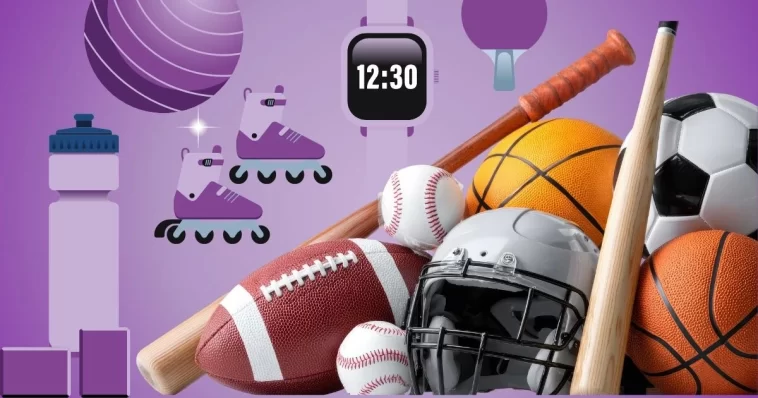
Getting started in sports can be exciting and motivating, but it can also feel overwhelming when you consider the cost of equipment. For beginners, investing heavily in gear is often unnecessary. The key is to find budget-friendly sports equipment that allows you to enjoy your chosen activity without breaking the bank. This guide will walk you through practical tips, essential items for various sports, and ways to save money while still getting quality gear.
Why Budget-Friendly Equipment Matters
Starting a new sport can be expensive if you are not careful. From tennis rackets to basketballs, and from running shoes to gym gear, the costs can add up quickly. For beginners, spending a fortune on high-end equipment is rarely necessary because you are still exploring the sport, learning skills, and figuring out your preferences. Budget-friendly options help you focus on learning the fundamentals and building consistency without feeling financially stressed.
Furthermore, cost-effective gear is often lighter, simpler, and easier to maintain. You avoid the pressure of treating expensive items delicately, which can be an advantage when you are still practicing and making mistakes. Choosing affordable sports equipment also allows you to diversify your options. You can try different activities, experiment with new sports, and discover what you truly enjoy without being tied down to one expensive setup.
How to Choose Budget-Friendly Equipment
When shopping for sports equipment on a budget, the first step is understanding what you truly need. Beginners often make the mistake of buying everything at once, including non-essential accessories. Instead, start with the basics that cover your immediate needs and gradually expand as your skills improve.
Focus on the quality-to-price ratio. Affordable does not mean low-quality. Many brands offer beginner-level equipment that is durable, reliable, and inexpensive. Check online reviews, ask experienced players for recommendations, and consider visiting local sports stores, where staff can guide you toward the best options for your budget.
Another smart approach is to consider secondhand equipment. Many communities and online platforms offer gently used sports gear at a fraction of the price. Items such as dumbbells, yoga mats, basketballs, or bicycles often last for years with proper maintenance, making them ideal choices for beginners looking to save money.
Essential Sports Equipment for Beginners
Running
Running is one of the most accessible sports, and the equipment needs are minimal. Your primary investment should be a good pair of running shoes. Look for budget-friendly options from reputable brands. Comfort and support are more important than brand name or style. A good pair of shoes prevents injuries and enhances your performance.
You can complement your shoes with moisture-wicking socks and lightweight athletic clothing. These items are not costly and make running more enjoyable. Beginners can also use a water bottle or a small running belt to carry essentials during longer runs. Optional items include a fitness tracker or smartphone app to monitor distance and pace. These tools can be helpful, but are not required when starting.
Basketball
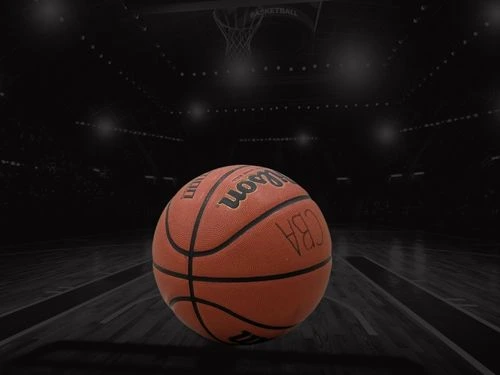
Basketball requires minimal equipment, making it beginner-friendly. A standard basketball, suitable for indoor or outdoor use, is the main investment. You can find quality balls for an affordable price. Ensure the ball is appropriate for your age group and hand size.
Basketball shoes are essential for preventing ankle injuries, but you do not need to buy the most expensive ones. Affordable basketball sneakers with good grip and support are sufficient for beginners. If you plan to practice at home, consider a portable hoop, which can often be found secondhand or in budget-friendly, adjustable-height models.
Soccer
Soccer is another sport that offers budget-friendly options. A basic soccer ball is all you need to start practicing. Beginners should look for standard-sized balls, usually size 5 for adults, that are durable and well-constructed.
Cleats are recommended for outdoor play, but you can start with regular athletic shoes if you are practicing casually. Shin guards are essential for safety, and affordable foam or plastic models can protect against minor injuries. Soccer socks and shorts can be purchased inexpensively from sports retailers or online stores.
Tennis
Tennis may seem expensive at first, but beginners can find affordable options. A basic tennis racket made of aluminum or composite materials works perfectly for newcomers. It is light, easy to handle, and durable. Over time, you can upgrade to more advanced rackets if you decide to pursue the sport seriously.
Tennis balls are inexpensive and widely available. You can buy practice balls in cans that last longer and are budget-friendly. Comfortable court shoes are recommended, but running shoes can be used initially until you are sure tennis is your sport. Accessories like wristbands or a tennis bag are optional but can be purchased later if desired.
Swimming
Swimming is an accessible sport with relatively low equipment costs. The most essential items for beginners are a swimsuit and a pair of goggles. Affordable swimwear is widely available at department stores and online retailers.
Goggles are essential for protecting your eyes from chlorine and improving visibility underwater. A simple swim cap can also be a good investment, especially for longer sessions. Optional items include a kickboard, a pull buoy, or resistance bands, inexpensive tools that enhance training. Swim gear can last for years if properly cared for, making even higher-quality items cost-effective in the long run.
Yoga and Fitness
Yoga and home fitness are perfect examples of sports with minimal equipment needs. A yoga mat is essential, and you can find high-quality mats at affordable prices. Comfortable clothing is more important than specialized attire when starting.
Resistance bands are inexpensive and versatile for strength training. A set of light dumbbells or kettlebells can also be included gradually. Items like foam rollers or yoga blocks can enhance performance, but they are optional. Beginners can rely on bodyweight exercises to build strength and flexibility without spending much.
Cycling
Cycling can be an affordable sport if approached carefully. Entry-level bikes, including hybrid or road bikes, can be purchased at a reasonable price. Secondhand bikes in good condition are another excellent option for beginners.
Essential accessories include a helmet, bike lock, and water bottle holder. Padded cycling shorts or gloves are optional but improve comfort. For occasional casual rides, you can use regular athletic clothing instead of cycling-specific gear. Learning to maintain your bike and checking tire pressure regularly will also reduce costs over time.
Tips for Saving Money on Sports Equipment
- Buy Used Gear: Many sports items are durable and can last for years. Check online marketplaces, community groups, or sports clubs for gently used equipment at a fraction of the cost.
- Look for Seasonal Sales: Sports retailers often have discounts during the off-season. For example, buying winter sports gear in spring or summer items in fall can save a significant amount.
- Borrow or Rent: If you are trying a new sport, borrowing equipment from friends or renting from a local store allows you to test the waters without committing financially.
- Invest Gradually: Focus on essential equipment first. Once you develop skills and commitment, you can gradually add accessories and higher-quality gear as needed.
- DIY Options: For certain sports like yoga or fitness, you can use household items as substitutes. Towels, water bottles, or chairs can replace gym equipment when starting.
- Join Community Programs: Local sports clubs or community centers sometimes provide equipment for use during classes or sessions. Participating in these programs can reduce the need for personal purchases in the short term.
Benefits of Budget-Friendly Sports Equipment
Using budget-friendly sports equipment does not mean settling for less or compromising on performance. For beginners, the primary goal is to learn the fundamentals, improve skills, and enjoy the activity, and this can be achieved without spending a fortune. Affordable gear enables new players to access the sport, practice consistently, and experience the physical and mental benefits of regular exercise. Whether it is the cardiovascular boost from running, the agility and coordination gained from basketball, or the flexibility developed through yoga, inexpensive equipment can still fully support these health benefits.
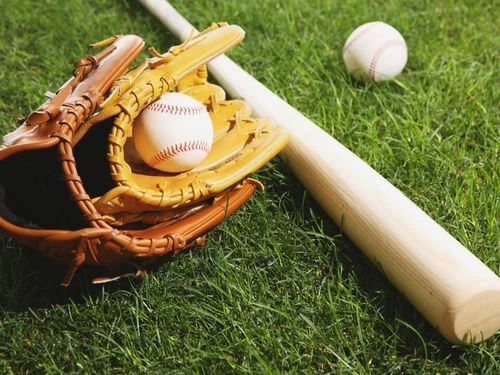
One of the most significant advantages of choosing budget-friendly options is the freedom it provides to experiment. Beginners often do not know which sports they will enjoy long-term, and expensive equipment can feel like a risky investment. Low-cost gear reduces this pressure, allowing individuals to try different sports, adjust their routines, and explore various techniques without worrying about wasting money. This flexibility fosters a mindset focused on personal growth and skill development rather than brand names or expensive aesthetics.
Affordable equipment also eases financial stress. High-end gear can create a sense of obligation to maintain it perfectly, which can be discouraging for newcomers prone to mistakes. Budget-friendly items, on the other hand, allow beginners to practice confidently, knowing that damage or wear is not catastrophic. Many low-cost items are surprisingly durable, and when they do need replacement, the expense is manageable. This approach encourages sustainable sports participation, allowing players to stay consistent over time without feeling burdened by financial concerns.
Another benefit is the promotion of creativity and practicality. When starting with basic gear, beginners often find innovative ways to use what they have, improving adaptability and problem-solving skills. They learn to make the most of what is available, such as using resistance bands for multiple types of exercises or incorporating household items for strength or balance training. This mindset fosters a practical, resourceful approach that extends beyond sports and into everyday life.
Finally, budget-friendly sports equipment teaches the value of consistency and commitment over superficial factors. Progress in sports comes from regular practice, patience, and persistence, not from owning the most expensive racket, shoes, or weights. By focusing on fundamentals with affordable gear, beginners develop habits and skills that will serve them long-term. Once they are confident in their abilities and certain about their preferred sport, they can selectively invest in higher-end equipment, ensuring that each purchase adds real value to their growth and enjoyment.
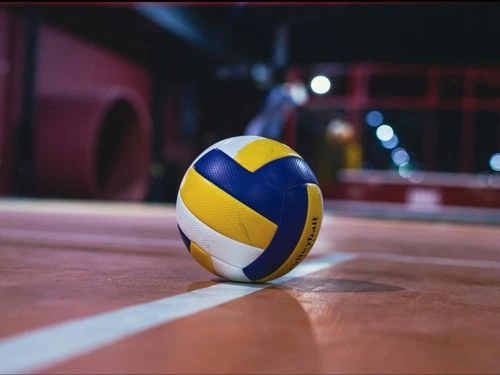
In short, budget-friendly sports equipment offers accessibility, freedom, creativity, and sustainability. It allows beginners to focus on what truly matters: building skills, enjoying the activity, and creating a long-lasting, healthy relationship with sports.
Why Budget-Friendly Gear Matters in the Long Run
Starting a new sport is an exciting journey that should be accessible to everyone. Budget-friendly sports equipment empowers beginners to participate, practice, and improve without worrying about financial strain. By focusing on essential items, seeking quality within your budget, and exploring secondhand or community options, you can enjoy sports safely and effectively.
Remember, the most critical investment in any sport is your time, effort, and enthusiasm. Affordable equipment is simply a tool to help you practice and grow. As your skills develop and your passion deepens, you can upgrade gear selectively, ensuring that every purchase supports your long-term enjoyment and success in the sport.
No matter the sport, starting with budget-friendly equipment is a smart, practical, and empowering way to take the first step on your journey. With careful choices, resourcefulness, and a focus on fundamentals, beginners can build a solid foundation, stay motivated, and enjoy every moment on the court, field, track, or pool.