
 Jane
Jane
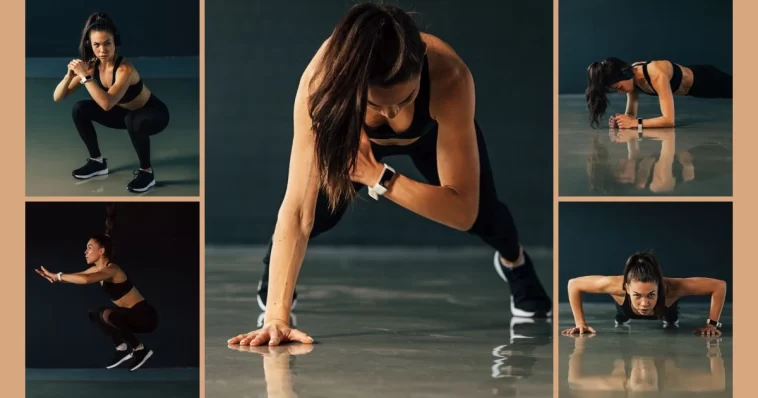
Making time for exercise can often be difficult. Long gym sessions or hour-long classes may be unrealistic for professionals juggling work, family, and personal commitments. Many people assume that meaningful fitness results require extended workouts, but current research and expert guidance suggest otherwise. Short workouts lasting around 10 minutes can deliver measurable health benefits when performed consistently and with intention.
These efficient sessions support cardiovascular health, muscle strength, mobility, and mental well-being while fitting seamlessly into demanding schedules. Ten-minute workouts overcome many common barriers to exercise, including time constraints, commuting requirements, and mental fatigue. This article provides a comprehensive guide to effective 10-minute workouts for busy professionals, explains why they work, offers practical routines for different goals, highlights useful tools and apps, and shares strategies for building consistency over time.
Why Short Workouts Matter
The 10-minute workouts, often called mini or micro-workouts, are designed to deliver physical activity in small, manageable increments. While brief, these sessions can be highly effective when they include moderate to vigorous movements and engage multiple muscle groups. Research indicates that spreading physical activity across shorter sessions throughout the day can offer benefits comparable to longer workouts performed less frequently. Short workouts are especially beneficial for busy professionals because they require less planning and can fit around meetings, errands, and other obligations.
Compared with longer sessions that may feel intimidating or time-consuming, 10-minute workouts provide a practical alternative for people seeking to fit movement into daily life. These short bursts of activity are particularly helpful when they are structured intentionally and performed consistently over time.

Key Benefits Of Short Workouts
Short workouts offer several practical and physiological advantages:
Greater Schedule Flexibility
A 10-minute session can fit into tight windows throughout the day, such as before work, during lunch breaks, or between tasks. This adaptability helps support a consistent workout schedule.
Improved Metabolic Response And Calorie Burn
Including higher-intensity movements in brief workouts can increase metabolic rate and calorie burn. Research shows that short bursts of vigorous movement can have cardiovascular and metabolic benefits similar to those of longer sessions.
Enhanced Mood And Energy Levels
Physical activity increases circulation and stimulates endorphin release, leading to better mood and higher energy levels. Even brief movement can provide a noticeable mental boost.
Reduced Sedentary Discomfort
Prolonged sitting is common in desk-based professions and can contribute to stiffness and discomfort. Short workouts that focus on mobility and posture help counteract these effects and support joint health.
Achieving Weekly Activity Goals
Medical and health authorities advise adults to engage in a minimum of 150 minutes of moderate exercise each week. Completing multiple 10-minute workouts across the week makes this goal far more achievable for individuals with limited time.
How To Structure A 10-Minute Workout
A well-structured 10-minute workout maximizes results by using time efficiently. Fitness professionals recommend dividing each session into three functional phases: preparation, effort, and recovery.
Warm-Up Phase
A short warm-up prepares the body for movement by increasing blood flow and loosening joints. This phase typically lasts one to two minutes and may include marching in place, arm circles, gentle squats, or light stretching. Preparing the body helps reduce the risk of injury and primes muscles for efficient movement.
Main Workout Phase
The core portion of the workout focuses on strength, cardiovascular effort, or both. Selecting exercises that engage large muscle groups and elevate the heart rate makes each minute count. Limiting rest periods ensures that intensity remains high within the short timeframe.
Cooldown And Stretching
The final phase focuses on bringing the heart rate down and stretching worked muscles. Even 1 to 2 minutes of cooldown movement can help reduce soreness, support recovery, and improve flexibility.
Effective 10-Minute Workout Formats
Several workout structures are especially effective for short sessions.
High Intensity Interval Training (HIIT)
HIIT alternates periods of intense activity with brief recovery intervals. This format quickly raises the heart rate and supports cardiovascular fitness, calorie burn, and metabolic efficiency.
HIIT workouts are adaptable and can be performed with or without equipment. Sprinting in place, jump squats, and high knees are examples of exercises that raise intensity without needing gym machines.
Full Body Strength Circuits
Strength circuits combine upper-body, lower-body, and core exercises performed consecutively. Bodyweight movements such as squats, lunges, push-ups, and planks allow professionals to build strength without equipment. These circuits are particularly effective when rest periods are minimal, enabling a higher training density.
Mobility And Core-Focused Sessions
Professionals who spend extended hours seated often benefit from mobility and core routines. These sessions improve posture, flexibility, and joint health while reducing tension in the hips, shoulders, and lower back. Activities such as yoga flows, core-stability moves, and dynamic-stretch sequences help counteract the effects of sedentary behavior and enhance functional movement.
Sample 10-Minute Workouts For Busy Professionals
The following routines can be completed at home, in a hotel room, or even in a private office space.
Quick High-Intensity Interval Training Workout
This routine focuses on cardiovascular conditioning and calorie burn.
Warm Up
- Warm up with marching in place for 1 minute
Intervals
- Sprint or fast jog in place for 30 seconds
- Walk or slow pace for 30 seconds
- Jumping jacks for 1 minute
- Knee lifts or fast steps for 1 minute
- Sprint in place for 30 seconds
- Rest or slow walk for 30 seconds
- Burpees or squat jumps for 1 minute
- March in place for 2 minutes
Cooldown
- Cooldown stretch for 1 minute
This structure alternates effort and recovery to maximize heart rate response while minimizing fatigue.
Bodyweight Strength Circuit
This routine builds strength and muscular endurance using only bodyweight.
- Air squats for 1 minute
- Push-ups for 1 minute
- Alternating lunges for 1 minute
- Plank hold for 1 minute
- Glute bridges for 1 minute
- Mountain climbers for 1 minute
- Side lunges for 1 minute
- Triceps dips using a chair for 1 minute
- Core crunches for 1 minute
- Stretch or cooldown for 1 minute
Compound movements work multiple muscle groups simultaneously, making this routine efficient and effective.

Core And Mobility Routine
This session supports posture, flexibility, and recovery.
- Cat-cow stretches for 1 minute
- Torso rotations for 1 minute
- Plank with shoulder taps for 1 minute
- Hip flexor stretches for 1 minute
- Bird-dog balance for 1 minute
- Perform a side plank, holding each side for 30 seconds
- Seated spinal twists for 1 minute
- Standing quad stretch for 1 minute
- Forward fold hamstring stretch for 1 minute
- Deep breathing and relaxation for 1 minute
This routine is ideal after long periods of sitting or at the end of a workday.
Advanced 10-Minute Options
For professionals with specific goals, targeted 10-minute workouts can enhance outcomes.
Killer Kettlebell Circuit
Using a kettlebell adds both strength and cardio elements to a quick session. A recommended routine includes kettlebell swings, deadlifts, halos, and lunges. Performing seven movements in succession with appropriate weight increases intensity while challenging multiple muscle groups.
Tabata-Style Training
Tabata is a form of HIIT that features ultra-short bursts of work followed by brief rest intervals. Each exercise phase typically lasts 20 seconds, with a 10-second rest, and is repeated eight times. Tabata training can fit into a 10-minute block, with multiple exercises, and still deliver a high cardiovascular benefit.
10-Minute Workouts For Different Fitness Goals
Strength And Muscle Tone
Professionals aiming to build or maintain muscle tone should focus on resistance-based exercises. Squats, push-ups, lunges, and planks challenge large muscle groups and promote muscular endurance when performed consistently and with proper form.
Cardiovascular Health
Short bursts of vigorous movement improve heart health, circulation, and endurance. Jump rope, fast stair climbing, sprint intervals, and cycling sprints are effective ways to elevate heart rate quickly.
Flexibility And Recovery
Stretching and mobility-focused sessions help reduce muscle tension and improve joint range of motion. These workouts also support mental clarity and stress management, which are critical for high-pressure professional environments.
Fitness Tools And Apps For Short Workouts
Technology plays a key role in making short workouts accessible and engaging. Several platforms offer guided routines, tracking options, and customizable plans based on time, intensity, and individual goals.
Fitness Blender offers an extensive collection of free and paid workout videos, featuring numerous 10-minute routines that need little space or equipment.
Keep is a global fitness app featuring guided workouts, progress tracking, and customizable routines suited to time-pressed schedules.
Obé Fitness offers stackable 10-minute classes covering strength, cardio, yoga, and meditation. These short sessions allow busy professionals to combine workouts and build more comprehensive routines.
Other apps also provide short workout options, including guided stretch breaks, focused core sessions, and meditation practices that support holistic health.
How To Fit 10-Minute Workouts Into A Busy Day
Consistency is the most important factor for success with short workouts. Professionals can increase adherence by planning sessions in advance and treating them as appointments in their calendars.
Practical Integration Strategies
Schedule workouts on digital calendars to reinforce commitment and provide visual reminders throughout the week.
Break daily fitness goals into multiple short sessions that fit around meetings, errands, and family time.
Pair movement with existing habits, such as stretching during phone calls, walking during breaks, or taking the stairs instead of the elevator.
Use reminders or fitness apps to prompt activity throughout the day and maintain motivation.
These small actions compound over time, leading to noticeable improvements in strength, energy, and focus.
Mental And Productivity Benefits
Beyond physical health, short workouts offer cognitive and emotional benefits. Brief exercise sessions can reduce stress hormones, improve mood, and enhance concentration. Studies show that even short bouts of physical activity improve attention, cognitive processing, and brain health by stimulating neural activity associated with motor control and coordination.
Movement breaks also help prevent mental fatigue and burnout, making them especially valuable during demanding workdays. Many professionals report feeling more alert and productive after even a few minutes of movement.

Research Supporting Short Workouts
Scientific evidence continues to support the effectiveness of brief exercise sessions. Studies indicate that consistent short workouts improve cardiovascular fitness, insulin sensitivity, body composition, and mental well-being when intensity is sufficient. Research also suggests that three separate 10-minute sessions provide similar health benefits as one uninterrupted 30-minute workout when total time and intensity are equal.
By making fitness more accessible and less intimidating, mini-workouts lower the psychological barrier to exercise, making routines more sustainable over time.
Customizing A 10-Minute Routine
Every individual has different fitness needs and physical limitations. Short workouts should be adapted accordingly.
Adjust intensity to match current fitness levels and progression goals.
Modify movements to accommodate joint sensitivity or past injuries.
Increase challenge gradually by adding resistance bands, light dumbbells, kettlebells, or ankle weights.
Progression and consistency matter more than perfection in any single session. Modifying routines ensures sustainability and reduces the risk of overuse injuries.
Safety Considerations
Before starting any new exercise routine, professionals should consider their health status and physical readiness. Warming up before intense movement and cooling down afterward helps reduce injury risk. Individuals with existing medical conditions or those returning to exercise after a long break should seek guidance from a qualified health professional.
Proper form and technique are crucial, especially when performing movements with added weights or high intensity. Careful attention to posture and controlled motion protects joints and enhances overall effectiveness.
Building Lasting Health With 10-Minute Workouts
Ten-minute workouts offer a practical, effective fitness solution for busy professionals who struggle to find time for exercise. When structured thoughtfully and performed consistently, these short sessions support cardiovascular health, muscle strength, flexibility, and mental well-being. With careful planning, supportive digital tools, and intentional routines, professionals can integrate fitness seamlessly into daily life without overwhelming time commitments.
By breaking down fitness goals into bite-sized sessions and adapting workouts to individual needs, short workouts can become a sustainable habit that supports long-term health and performance. Whether the goal is strength, endurance, mobility, or stress management, 10-minute workouts offer an accessible path to consistent physical activity and improved quality of life.