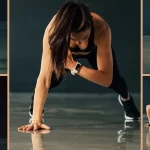
10 Effective Core Workouts You Can Do At HomeStretch one arm forward while extending the opposite leg backward.10 Effective Core Workouts You Can Do At Home
Building a strong core has become one of the most recommended fitness goals for people of all ages and lifestyles. A strong core supports everyday movement, improves posture, enhances balance, and can reduce the risk of injury in daily life or athletic activity. Many of the best core exercises can be done at home without specialized gym equipment, making them ideal for busy schedules, travel, and small spaces. This guide highlights 10 effective core workouts you can do at home, provides tips for performing them correctly, and explains how they work together to build a functional, stable core.
Developing core strength means more than just aiming for visible abs or “six‑pack” muscles. The core comprises deep-stabilizing muscles in the abdomen, lower back, hips, and pelvis that work together to support the spine, aid movement, and maintain balance. Exercises that challenge these muscles improve daily performance, whether lifting groceries, standing for long periods, or participating in sports. Strong core muscles also contribute to better posture and spinal alignment, which can reduce back pain often caused by prolonged sitting.
Why Core Strength Matters
A strong core plays a pivotal role in overall physical performance and everyday function. Core muscles stabilize the spine and pelvis, assist with movement control, and help create a foundation for efficient motion. Improved core strength enhances balance, reduces the risk of falls and injuries, and supports better posture. A strong core also makes routine activities such as walking, lifting, bending, and reaching much easier and safer.
Core strength is not just about visible abdominal muscles. It includes the deeper muscles such as the transverse abdominis, internal and external obliques, erector spinae, and muscles around the hips and pelvis. These muscles work together to stabilize the trunk during movement and protect the spine from strain. Including a variety of core exercises ensures that all core areas are developed evenly and safely.
How To Train Core Muscles At Home
Training your core at home requires little to no equipment. Many effective core exercises use bodyweight or minimal props such as mats, resistance bands, or light dumbbells. The key is proper form, slow and controlled movements, and consistent practice.
When beginning a core strength routine, follow these general guidelines:
Warm up first with light movement to prepare muscles and joints.
Focus on form rather than speed or repetition count.
Engage the core by thinking about drawing the belly button toward the spine.
Breathe steadily throughout each exercise, exhaling as muscles contract.
Include progressions by increasing time, repetitions, or difficulty over weeks.
Now let’s explore the top 10 core strength exercises you can do at home.
Top 10 Effective Core Workouts To Try At Home Today
1. Plank
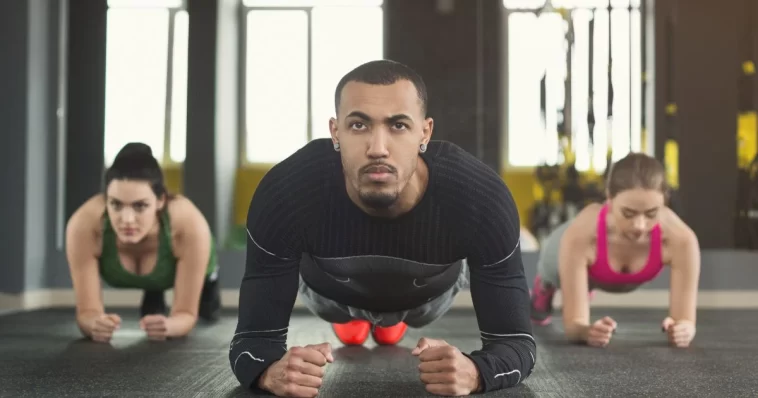
The plank is often considered the foundation of core training because it builds stability and recruits multiple muscle groups. When performed correctly, a plank engages the rectus abdominis, transverse abdominis, obliques, and muscles in the shoulders and back. It also engages the glutes and legs to a slight degree, making it highly efficient.
To perform a plank:
Begin on your forearms and toes.
Maintain a straight alignment from your head through your heels.
Hold the position while engaging your core.
Aim for 30 to 60 seconds per set, and repeat for multiple sets.
Planks can be adapted by doing high planks (hands on the floor), forearm planks, or adding dynamic movements like shoulder taps to increase the challenge.
2. Side Plank
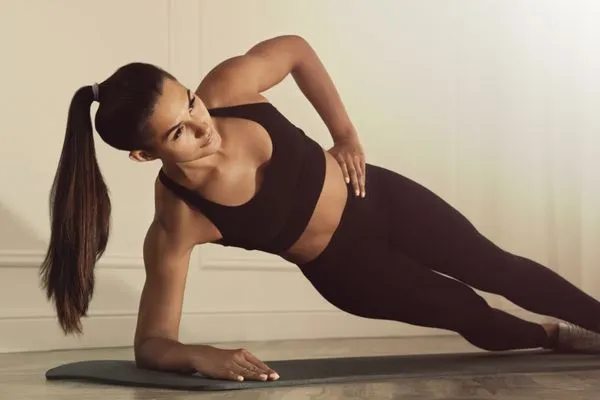
Side planks target the oblique muscles along the sides of the torso. Strengthening these muscles improves lateral stability and supports rotational movements in daily life and sport. Side planks also challenge balance and engage the shoulders and hips.
To perform a side plank:
Lie on one side and prop up on one forearm.
Place the feet together or stagger one in front of the other
Raise the hips until the body is aligned in a straight line.
Hold for 20 to 45 seconds per side.
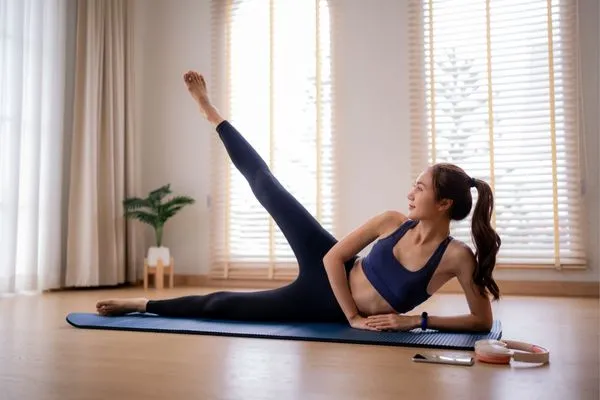
This exercise can be modified by lowering the bottom knee or elevating the top leg.
3. Dead Bug
The dead bug is a core exercise that improves coordination and stability while minimizing stress on the lower back. It works the deep core muscles and is especially useful for beginners or those with lower back concerns.
To perform a dead bug:
Lie on your back with your arms extended toward the ceiling and your legs raised to 90 degrees.
Slowly lower the opposite arm and leg toward the floor while maintaining a stable core.
Return to the starting position and switch sides.
This controlled movement helps reinforce stability and can be incorporated into warm-ups or focused core training.
4. Bicycle Crunch
The bicycle crunch is a dynamic core exercise that combines ab contraction with rotational movement. It targets the rectus abdominis and obliques while also engaging the hip flexors. This movement challenges coordination, balance, and strength.
How to perform:
Lie flat on your back with your hands positioned behind your head and your legs raised off the floor.
Bring one knee in while twisting the opposite elbow toward it.
Alternate sides in a fluid, controlled motion.
Modify the range of motion or tempo to suit your fitness level.
5. Russian Twist
The Russian twist is a popular core exercise that emphasizes rotational strength and stability. It is effective at targeting the obliques and improving torso control during twisting movements. The exercise can be performed with or without added weight for resistance.
To perform a Russian twist:
Sit on the floor with your knees bent and your feet slightly elevated off the ground.
Lean back slightly and twist your torso while moving your hands or a weight from side to side.
Keep your core engaged and back straight.
Adding light dumbbells, a medicine ball, or a water bottle can increase the challenge.
6. Leg Raise
Leg raises mainly engage the lower abdominal muscles and hip flexors. This movement also recruits deep core stabilizers, making it a strong addition to any home core workout.
How to do leg raises:
Lie flat on your back with legs extended.
Slowly lift your legs toward the ceiling, keeping them straight or slightly bent.
Lower them with control without letting the lower back arch off the floor.
Begin with a lower number of repetitions and gradually increase them as your strength develops.
7. Mountain Climbers
Mountain climbers are a dynamic, cardiovascular core exercise that integrates movement and core engagement. They recruit multiple muscle groups, including the abs, shoulders, and legs, and they can elevate heart rate while strengthening the core.
To perform mountain climbers:
Begin in a high plank position.
Quickly bring one knee toward your chest, then alternate legs in a running motion.
Maintain a strong core and steady pace.
This move is great for circuit workouts and can be applied in interval formats for added intensity.
8. Bird Dog
The bird dog targets core stability while improving balance and coordination. It also engages the lower back, hips, and shoulders. This exercise is particularly useful for functional strength and stabilizing muscles that support everyday movement.
How to do bird dogs:
Begin on your hands and knees.
Extend one arm straight ahead while reaching the opposite leg back.
Pause briefly, then return to the starting position and repeat on the other side.
This controlled movement promotes core engagement and body control.
9. V‑Up
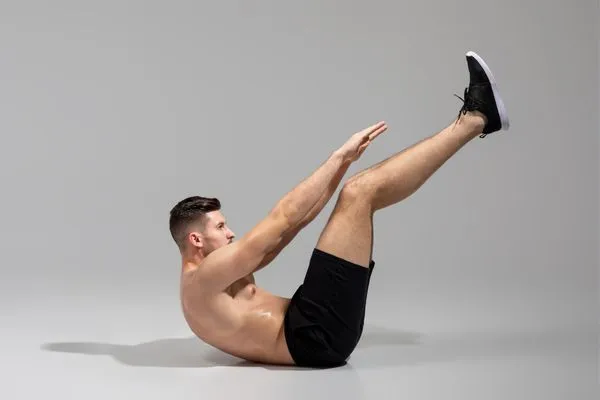
The V‑up is an advanced core movement that combines leg and torso lift into one powerful exercise. It targets both upper and lower core muscles and can also challenge balance.
To perform V‑ups:
Lie flat with arms extended overhead.
Raise both your upper body and legs at the same time, creating a V shape with your torso and legs.
Reach your hands toward your toes and return slowly.
Start with smaller lifts or bent knees if full V‑ups are too intense at first.
10. Hollow Hold
The hollow hold is a static isometric exercise that targets the entire core, especially the transverse abdominis and obliques. It requires control and tension, making it highly effective for core stability and strength development.
To do a hollow hold:
Lie on your back and lift your arms, shoulders, and feet off the ground.
Maintain a slight curve in your lower back, pressing it toward the floor.
Hold the position with controlled breathing.
Begin with brief holds and gradually extend the duration as strength increases.
Putting It All Together In A Core Workout
To build an effective home core routine, combine several of these exercises into a circuit. For example:
Round 1: Plank (45 seconds), Dead Bug (10 reps per side), Bicycle Crunch (15 per side)
Round 2: Russian Twist (20 reps), Mountain Climbers (30 seconds), Bird Dog (10 per side)
Round 3: Side Plank (30 seconds per side), Leg Raises (12 reps), Hollow Hold (30 seconds)
Rest for 30 to 60 seconds between rounds and repeat 2 to 3 circuits based on fitness level.
Including variations and progressions over time will keep your routine fresh and effectively challenge your muscles.
Benefits Of Regular Core Training
Consistently practicing core exercises at home improves functional strength, posture, balance, and spinal support. A strong core can reduce lower back pain and improve the efficiency of everyday movements. It also enhances athletic performance in activities such as running, lifting, and sports. Core training boosts confidence and supports other fitness goals, such as improved flexibility and overall stability.
Safety And Form Tips
When performing core exercises at home, focus on proper form and posture. Maintain a neutral spine and avoid straining the neck during movements. Keep breathing steadily to support muscular engagement. If an exercise feels uncomfortable or painful, modify the movement or consult a qualified fitness professional. Start with short holds or limited repetitions and increase gradually as strength and comfort grow.
Recommended Tools And Accessories
While most of these core exercises require no equipment, adding simple accessories can enhance your workouts:
Exercise Mat: Provides comfort and support for floor exercises.
Resistance Bands: Increase intensity for exercises like Russian twists or leg raises.
Light Dumbbells or Weighted Ball: Add resistance to dynamic core movements.
These items are affordable and easy to store, making them ideal for home use.
Transform Your Core and Posture With Simple Home Routines
Strengthening your core at home is accessible, effective, and essential for overall fitness and daily function. The ten exercises in this guide work different areas of the core, including the abdominals, obliques, lower back, and stabilizing muscles. Practicing these exercises regularly improves posture, balance, and movement control and can reduce back discomfort caused by prolonged sitting or sedentary habits. Whether you are a beginner or a more advanced exerciser, these core exercises can be modified and progressed to meet your fitness goals. With consistent practice and attention to quality movement, you can develop a strong, stable core that supports a healthy and active lifestyle.

 Jane
Jane