
 Tess M.
Padel sport has been capturing the attention of millions worldwide, and for good reason. From Dubai’s rooftop courts to gym complexes in New York and beachside clubs in Spain, padel has evolved from a regional pastime into a global movement. With a growing number of courts and millions of players across more than 130 countries, padel has quickly become one of the world’s fastest-growing sports. But what exactly is padel sport, and why is it so popular? This guide will walk you through everything you need to know about padel—from its history and rules to why it could be the best choice for your fitness and social life.
What Is Padel Sport?
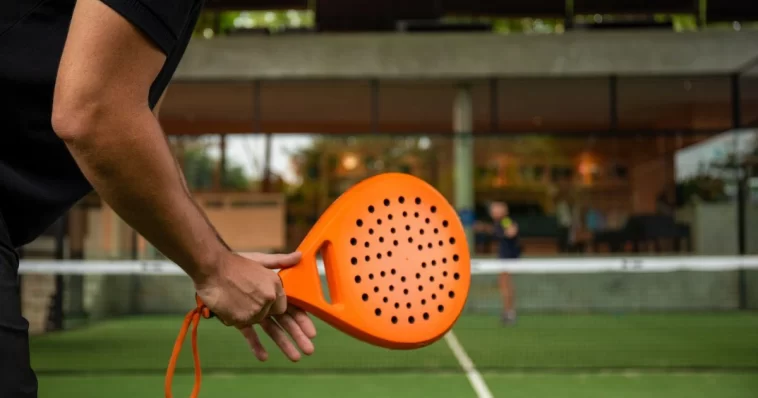
Padel is a racket sport that blends tennis and squash, creating an exciting and accessible game. It’s always played in doubles, on a court that’s about a third the size of a tennis court. Unlike tennis, the walls surrounding the court are an active part of the game, making rallies longer and giving beginners a more forgiving learning experience. Played with a solid racket and a depressurized tennis ball, padel provides a more relaxed and accessible introduction to racquet sports.
Padel was invented in Mexico in 1969 by Enrique Corcuera, who adapted his property to create the first court. After building a court at his holiday home in Acapulco, Corcuera added walls to the space, inadvertently creating a new sport. It quickly spread throughout Latin America and Spain, becoming particularly popular in Spain, where padel has even surpassed tennis in terms of participation. The sport is now played in over 130 countries, with over 30,000 clubs worldwide.
How Padel Is Played
The Court and Rules
Padel is played on a rectangular court measuring 20 meters by 10 meters. Glass walls and metal mesh fencing enclose the court, and these walls are actively used during play, unlike in tennis, where the boundaries are just markers. After the ball bounces once on the ground, it can hit the walls, keeping the game going and allowing for more strategic plays.
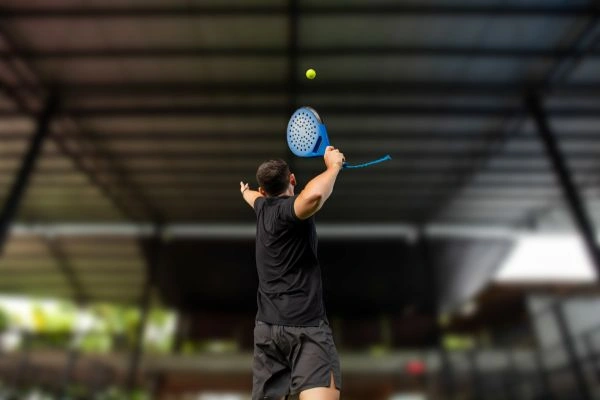
A match is played with two teams of two players each, and the scoring follows tennis conventions: 15, 30, 40, and game. The serve is underhand, and each player has two attempts to serve correctly. Serving is done diagonally, and the ball must bounce in the service box before being hit.
Why Padel Is the Fastest-Growing Sport
The rapid rise of padel is no coincidence. Several factors are driving its growth globally. The game is easy to learn, accessible to people of all ages and skill levels, and fun from the start. Unlike tennis, where it may take time to develop proper technique, beginners in padel can often have a proper rally within their first session.
Factors Behind Padel’s Surge
- Ease of Learning: Beginners can enjoy proper rallies from their first session, making padel beginner-friendly and accessible.
- Social Play: Padel is always played in doubles, fostering a community atmosphere that’s perfect for social interaction.
- Affordable and Space-Efficient: Padel courts are cheaper to build and take up less space compared to tennis courts, making them ideal for urban areas and small venues.
- Celebrity Endorsement: High-profile figures such as Shakira and David Beckham have made padel more visible, helping raise its profile worldwide.
- Growing Infrastructure: The number of padel clubs and courts has been increasing rapidly, particularly in countries like Spain, Italy, Sweden, and the U.S.
The Health Benefits of Playing Padel
Padel is not just fun—it’s also a great workout. The game involves quick sprints, lateral movement, and constant action, making it an excellent way to improve cardiovascular fitness, coordination, and strength.
Physical Benefits
- Cardiovascular Fitness: Continuous movement raises heart rate, improving overall endurance and cardiovascular health.
- Full-Body Workout: Padel engages the legs, core, and arms through lateral lunges, overhead swings, and sprints.
- Calorie Burn: Depending on the intensity, padel can burn between 400 and 800 calories per hour.
- Agility and Coordination: Quick direction changes and anticipating plays improve reflexes and spatial awareness.
- Bone Health: Padel is a weight-bearing sport that helps strengthen bones and reduce the risk of osteoporosis.
Mental and Social Benefits
- Stress Relief: Physical exercise triggers the release of endorphins, helping to reduce stress and improve mood.
- Social Interaction: The doubles format creates opportunities for bonding and socializing, making it more enjoyable and less isolating.
- Cognitive Sharpness: Padel requires focus, as players must anticipate the ball’s movement, read the walls, and communicate with their partner, keeping the brain engaged throughout play.
- Beginner-Friendly: The sport is welcoming to new players, with a low intimidation factor and a fast-paced, enjoyable atmosphere.
Getting Started with Padel: Essential Gear
While padel is easy to pick up, having the right gear enhances the experience and helps improve your performance. The good news is that getting started doesn’t require a massive investment, especially for beginners. Many clubs offer racket and ball rentals, so you can get started without buying your own gear. However, if you’re committed to learning the sport, here’s what you’ll need:
Padel Racket
The racket is the essential piece of equipment. For beginners, a lightweight, round-shaped racket with a soft core is ideal. This type of racket offers better control and a larger sweet spot, making it easier to hit the ball.
- Babolat Contact: A great all-around beginner racket, offering a balance of control and power at a reasonable price.
- Head Alpha Motion: A budget-friendly option with a forgiving feel, perfect for new players.
- Wilson Bela Team: Designed to reduce strain on the arm, making it ideal for players over 45 or those concerned with elbow discomfort.
Padel Shoes
Dedicated padel shoes offer better support, stability, and grip than standard tennis or running shoes. They are designed to handle the quick lateral movements and sudden stops common in padel.
- Adidas Adipower Light: Known for their stability and cushioning, these shoes are designed for padel players who need extra ankle support.
- Bullpadel Vertex: Offers excellent traction on both indoor and outdoor courts, with additional lateral support.
Padel Balls
Padel balls are slightly less pressurized than tennis balls, which helps to create longer rallies. They are available in different versions for indoor and outdoor play, with outdoor balls being slightly more durable due to their thicker felt.
Padel vs Tennis: What’s the Difference?
While padel and tennis share similarities, such as the use of rackets and a net, the games differ significantly in terms of court size, rules, and gameplay. Here’s how they compare:
| Feature | Padel | Tennis |
|---|---|---|
| Court size | 20m x 10m (enclosed) | 23.77m x 10.97m (open) |
| Walls in play | Yes | No |
| Serve style | Underhand, below waist | Overhead |
| Players per court | Always 4 (doubles) | 2 or 4 |
| Racket | Solid, no strings | Strung frame |
| Scoring system | Same as tennis | Same as tennis |
| Physical impact | Moderate | Higher |
The key differences are in the court size and use of walls, which make padel more accessible and beginner-friendly. Unlike tennis, padel’s wall play keeps rallies going longer and offers more opportunities for strategic shots. Additionally, the underhand serve and the doubles format make padel less physically demanding and easier for new players to pick up.
Where to Play Padel
Padel is expanding rapidly worldwide. There are now thousands of padel courts in countries across Europe, the Middle East, the Americas, and Asia. In the U.S., the number of courts has grown from just a handful in 2019 to over 650 in 2025, with more courts being built every year.
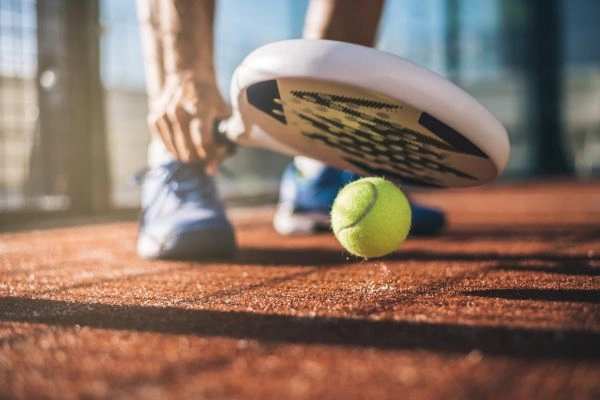
To find courts near you, try searching on Google Maps, visiting the websites of national padel associations, or checking with local clubs to see which facilities are available. Many clubs offer introductory lessons, group coaching, and racket hire, making it easy to try padel for the first time.
Frequently Asked Questions About Padel Sport
- What Is Padel Sport?
Padel is a doubles racket sport played on an enclosed court measuring 20m x 10m. The walls are part of the game, allowing for more dynamic rallies. The scoring is based on tennis rules, but the game is generally easier for beginners to pick up.
- How Do You Start Playing Padel?
To start, all you need is a racket and a pair of court shoes. Many clubs offer racket and ball rentals, so you can try padel without making a significant investment. Once you’re comfortable, you can buy your own gear and begin practicing.
- What Health Benefits Can You Gain from Playing Padel?
Padel provides cardiovascular fitness, full-body strength, and agility. It’s a great way to burn calories, improve coordination, and enhance social well-being. The sport’s low-impact nature makes it suitable for people of all ages.
- Is Padel Difficult to Learn?
No, padel is quite beginner-friendly. Most players report having fun and starting to rally within their first session. The smaller court size, underhand serve, and wall play make it easier to learn than tennis.
- Is It Possible to Play Padel Professionally?
Yes, padel has professional circuits, with the Premier Padel tour being the most prominent. There are opportunities for both recreational and competitive players, with many national and international tournaments.
Why Padel Sport Is Worth Trying
The rapid rise in padel’s popularity is no accident. The sport uniquely blends the excitement of tennis with the strategic elements of squash, creating a dynamic and engaging experience for players of all backgrounds. It offers an easy entry point for beginners, while still providing the depth and challenge that keep experienced players coming back for more. Whether you’re simply looking for a fun way to stay active or seeking a competitive outlet to hone your skills, padel caters to players of all levels.
With its growing infrastructure, including an increasing number of courts and clubs worldwide, padel is more accessible than ever. The sport also boasts a low barrier to entry, making it perfect for newcomers and offers impressive health benefits, including improved cardiovascular fitness, enhanced agility and coordination. If you’re looking for a sport that combines fitness, fun, and social interaction, padel is definitely worth trying.