 Jane
Jane
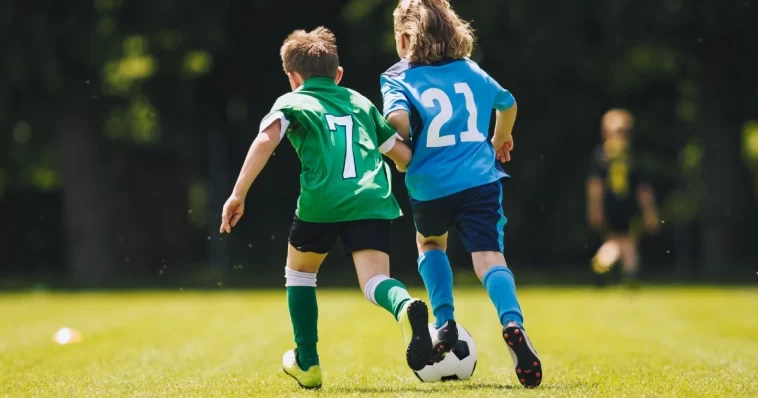
Youth sports continue to grow in popularity worldwide, and soccer remains one of the most accessible and widely played games for children. As interest in soccer grows, parents often look for the right soccer gear for kids to support comfort, safety, and performance on the field. The right equipment does more than complete a uniform; it helps young players build confidence and enjoy the game without distractions.
Recent sports discussions, coaching insights, and youth training reviews highlight a simple truth. Kids perform better when their gear fits well, feels comfortable, and supports natural movement. Whether it is for school teams, weekend leagues, or casual neighborhood games, having the right setup makes a noticeable difference in how children learn and enjoy soccer.
This guide covers everything you need to understand modern youth soccer gear, from essential equipment to safety gear and training tools. It also breaks down how parents can make wise choices without overcomplicating the process.
Why Soccer Gear For Kids Matters In Early Development
Proper gear plays a bigger role in youth sports than many people realize. For children, soccer is not just about competition; it is about learning coordination, teamwork, and discipline. The right equipment supports these early experiences by making the game safer and more enjoyable.
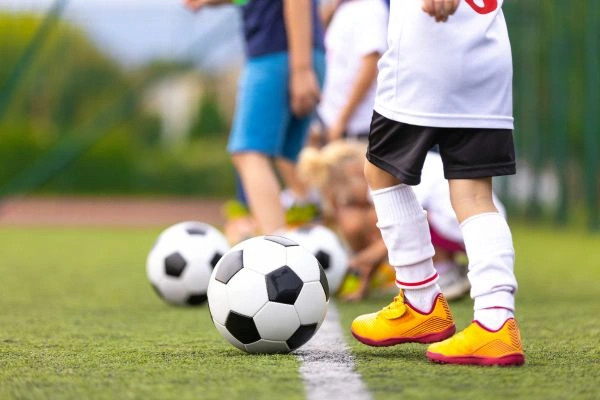
Comfort is one of the key factors. Ill-fitting shoes or heavy clothing can distract young players and limit their movement. When gear fits properly, kids can focus more on learning skills rather than adjusting their equipment during play.
Safety is another key concern. Youth players are still developing physically, which makes them more vulnerable to minor injuries. Shin guards, proper footwear, and breathable clothing help reduce risks while allowing children to play freely.
Soccer Gear For Kids Every Young Player Actually Needs
When it comes to soccer gear for kids, there are a few essentials that every young player should have. These items are not just for appearance; they directly impact performance and safety on the field.
The most basic set includes cleats, shin guards, a comfortable jersey, shorts, and socks. Each piece serves a specific purpose, from improving traction to protecting against kicks and collisions. Without these essentials, children may struggle to play effectively or safely.
Beyond the basics, some players also benefit from training accessories like cones, lightweight balls, and hydration bottles. These help reinforce skills outside of practice sessions and encourage consistent improvement.
Choosing The Right Soccer Cleats And Trusted Brands
Soccer cleats are one of the most important pieces of equipment for young players. The right pair provides stability, grip, and comfort on different playing surfaces. Poor-quality shoes can cause discomfort and even undermine a child’s confidence on the field.
Well-known sports brands such as Nike, Adidas, and Puma continue to dominate the youth soccer market. These brands offer cleats specifically designed for growing feet, with lightweight materials and flexible soles that support natural movement.
When selecting cleats, fit is more important than style. Shoes that are too tight can cause discomfort, while loose ones can lead to instability. Breathability and ankle support also play a major role in keeping young players comfortable during long sessions.
Protective Gear And Safety Essentials For Young Players
Safety equipment is a non-negotiable part of youth soccer. Shin guards are the most important protective item, shielding children from accidental kicks and collisions. Without them, even light contact can result in bruises or discomfort.
Goalkeepers may require additional gear, such as padded gloves and long sleeves, for extra protection. These items help reduce impact during saves and dives, especially for beginners still learning proper technique.
Comfortable socks that hold shin guards in place also make a difference. When gear stays secure, players can move more freely without constantly adjusting their equipment.
Training Equipment That Builds Skills At Home
Improvement in soccer does not only happen during team practice. Many young players benefit from simple training tools that allow them to practice at home. Cones, rebounders, and lightweight balls are commonly used to build coordination and ball control.
These tools help children develop skills like dribbling, passing accuracy, and reaction speed. Even short practice sessions can lead to noticeable improvement over time when done consistently.
Parents often find that home training equipment encourages kids to stay active. It also builds discipline by turning practice into a regular habit rather than something limited to scheduled games.
Jerseys, Apparel And Comfort On The Field
Comfortable clothing is just as important as footwear. Jerseys made from breathable materials help regulate body temperature during games. Lightweight fabrics allow kids to move freely without feeling restricted.
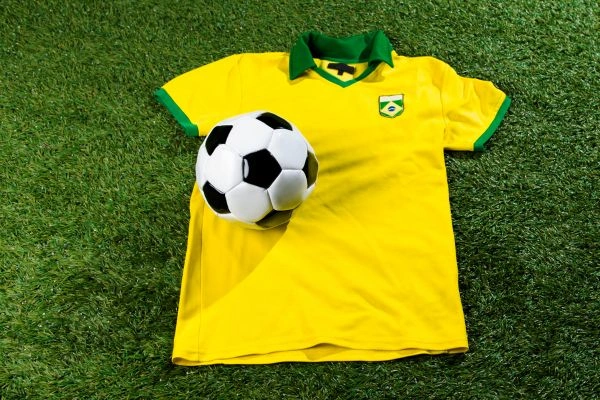
Sports-designed shorts and socks also improve comfort and performance. Elastic waistbands and moisture-wicking materials help prevent irritation during long matches or practice sessions.
Team jerseys often add excitement for young players. Wearing matching uniforms builds a sense of belonging and helps children feel more connected to their teammates.
Budget Vs Premium Gear: What Really Matters
One of the most common questions parents face is whether to invest in premium gear or stick with budget-friendly options. The answer often depends on how frequently the child plays and their level of involvement in the sport.
Premium gear typically offers better durability, comfort, and design features. However, for beginners or casual players, mid-range or affordable options can be more than enough. Many youth players outgrow their gear quickly, which makes overspending unnecessary in some cases.
The key is striking a balance between cost and functionality. Gear should support the child’s needs without putting unnecessary pressure on the budget.
Keeping Youth Soccer Gear Simple And Stress-Free
Youth soccer discussions often highlight how overwhelming equipment choices can become for parents. There are endless options, brand variations, and style preferences, which can make simple decisions feel complicated.
The reality is that most children do not need advanced gear to enjoy the game. What matters more is comfort, safety, and consistency. Once those basics are covered, additional accessories become optional rather than essential.
Keeping things simple allows young players to focus on what really matters: learning the game, building teamwork, and enjoying the experience without distractions.
How Parents Can Choose The Right Soccer Gear For Kids
Choosing kids’ soccer gear doesn’t have to be complicated. A good starting point is focusing on fit and comfort rather than brand names or appearance. Proper sizing ensures better movement and reduces the risk of discomfort during play.
Checking product reviews and trying gear in person when possible can also help. Children’s preferences matter too, especially when it comes to shoes and apparel. If they feel comfortable in their gear, they are more likely to stay engaged in the sport.
It also helps to consider how often the child plays. Regular players may benefit from more durable gear, while beginners can start with simpler, budget-friendly options. This approach keeps decisions practical and manageable.
The Role Of Major Brands In Youth Soccer Gear
Brands like Nike, Adidas, and Puma continue to influence the design of youth soccer gear. Their products often focus on lightweight materials, improved comfort, and better durability for active kids.
These brands also invest in research to improve fit and performance. Many youth collections are designed specifically for growing feet and developing movement patterns. This helps young players transition smoothly as they improve their skills.
.jpg)
However, a brand name alone does not guarantee the best choice. Fit, comfort, and practicality should always come first when selecting gear for children.
Common Mistakes When Buying Soccer Gear For Kids
One common mistake is buying gear that is too large, hoping that children will “grow into it.” While this may seem practical, oversized shoes or clothing can negatively affect performance and safety.
Another mistake is focusing too much on appearance rather than function. Bright designs and popular styles are appealing, but they should not outweigh comfort and usability.
Skipping protective gear is also a frequent issue. Even casual play can lead to minor injuries, making shin guards and proper footwear essential regardless of skill level.
Frequently Asked Questions
- What Is The Most Important Soccer Gear For Kids?
The most important items are cleats, shin guards, and comfortable clothing. These provide safety, support, and freedom of movement during play.
- How Do You Choose The Right Soccer Cleats For Kids?
Focus on fit, comfort, and playing surface. Youth-specific options from brands like Nike, Adidas, and Puma are designed to support growing feet.
- Do Kids Need Expensive Soccer Gear To Play Well?
No, expensive gear is not necessary. Affordable or mid-range equipment is usually more than enough for beginners and casual play.
- Why Are Shin Guards Essential In Youth Soccer?
Shin guards protect kids from kicks, bumps, and collisions during games. They help lower the risk of injury and are required in most leagues.
- How Frequently Should Soccer Gear Be Replaced?
It depends on growth and usage. Most kids need updates every season or whenever gear becomes too small, worn, or uncomfortable.
Final Thoughts On Youth Soccer Equipment
Choosing the right equipment for young players is less about following trends and more about supporting their growth in the sport. The right soccer gear for kids helps build confidence, improve performance, and keep children safe on the field.
While options can feel overwhelming at times, focusing on comfort, fit, and safety simplifies the process. With the right approach, gear becomes a tool for enjoyment rather than a source of confusion.
Youth soccer continues to thrive because it is simple, accessible, and fun. The right equipment ensures that the experience stays positive from the very first kick.