 Jane
Jane
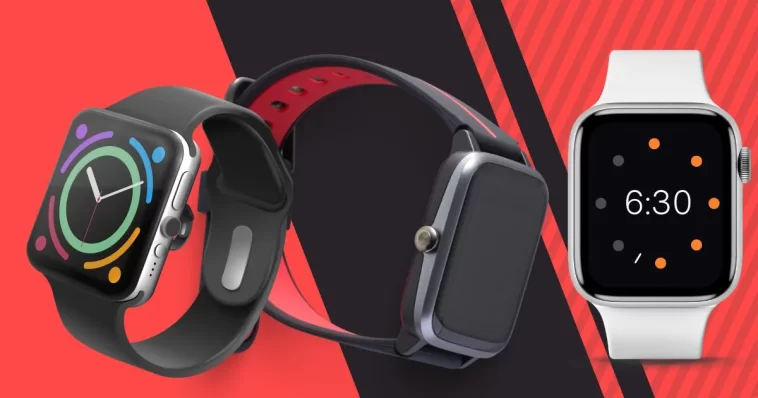
In today’s health-conscious world, fitness trackers have become more than just gadgets. They are personal coaches, activity monitors, sleep trackers, and even heart health assistants, all strapped to your wrist. Yet, with so many high-end models flooding the market, it can be overwhelming to know which one is worth your money. The good news is that you do not need to spend hundreds of dollars to get a reliable, accurate, and functional fitness tracker. There are affordable options that deliver excellent performance, help you stay motivated, and let you track your progress efficiently. This article explores the best budget-friendly fitness trackers, what features you should look for, and how to choose one that suits your lifestyle.
Why Affordable Fitness Trackers Are Worth It
Fitness trackers are no longer just for professional athletes or tech enthusiasts. With growing awareness about personal health, these devices have become accessible tools for everyday wellness. Affordable fitness trackers offer a great entry point for people who are just beginning their fitness journey or who want to monitor their daily activity without spending a fortune.
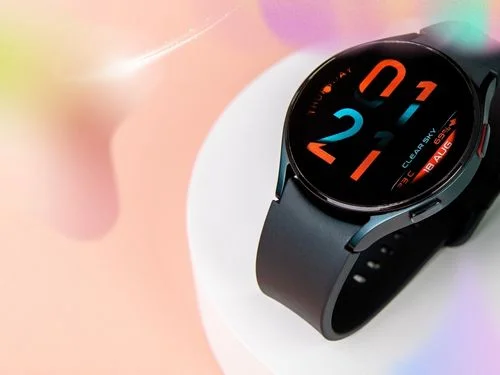
Budget-friendly trackers now come with features once exclusive to premium devices. You can monitor your heart rate, count steps, track calories burned, measure sleep patterns, and even receive smartphone notifications. They also encourage consistency by sending reminders to move or motivating you to reach daily goals. For many, these simple functions are enough to make a real difference in health and fitness.
Additionally, lower-priced trackers often feature durable designs, long-lasting batteries, and water resistance, so you can wear them while running, swimming, or on a rainy commute without worry. Choosing the right affordable tracker can help you build healthy habits, stay accountable, and enjoy the journey toward fitness, all while keeping your budget intact.
Key Features to Look For
When shopping for an affordable fitness tracker, it is essential to understand which features are truly valuable and which are just marketing gimmicks. Here are the key elements to consider:
1. Step and Activity Tracking
The primary function of any fitness tracker is to monitor your daily activity. Accurate step counting and distance tracking are crucial. Some budget trackers also include additional activity modes such as running, cycling, or even yoga. These modes ensure that your tracker adapts to your lifestyle rather than forcing you into a one-size-fits-all approach.
2. Heart Rate Monitoring
Heart rate tracking is not just for gym enthusiasts. Understanding your resting heart rate, average heart rate during exercise, and heart rate variability can provide insights into your overall cardiovascular health. Many affordable trackers now feature continuous heart rate monitoring, which helps you adjust workouts for maximum efficiency.
3. Sleep Tracking
A good night’s sleep is just as important as daily exercise. Fitness trackers that monitor sleep can measure your light, deep, and REM sleep stages. Some devices even provide tips for better sleep based on your patterns, helping you improve recovery, energy, and focus.
4. Battery Life
A tracker with a long battery life is essential to avoid daily charging. Many budget devices now last a week or more on a single charge, making them convenient for everyday use without constant interruptions.
5. Smartphone Integration
Affordable trackers often sync with smartphone apps to provide detailed insights into your activity, sleep, and heart rate trends. The companion app can also offer reminders, goal-setting options, and social features that make fitness tracking more engaging and motivational.
6. Durability and Comfort
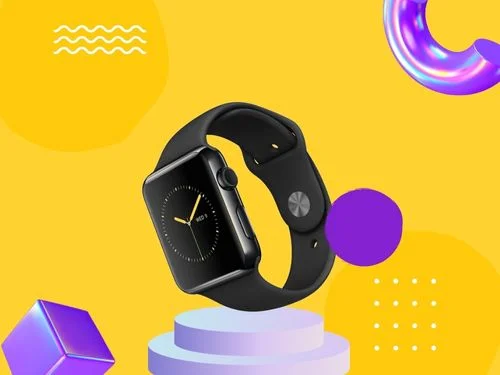
Since you will likely wear your tracker daily, comfort and durability matter; look for lightweight, adjustable bands and water-resistant or sweatproof designs. A comfortable tracker ensures you will wear it consistently, which is critical for tracking long-term progress.
Top Affordable Fitness Trackers That Work
After analyzing the market and testing various options, here are some standout affordable fitness trackers that provide excellent value for money.
1. Xiaomi Mi Band Series
Xiaomi’s Mi Band has become synonymous with affordable fitness tracking. The latest models offer heart rate monitoring, step counting, sleep tracking, and even SpO2 measurement for blood oxygen levels. It has a sleek design, customizable watch faces, and an app that syncs data efficiently. Battery life often extends up to two weeks, making it highly convenient. Despite its low price, it offers features comparable to those of higher-end trackers.
2. Fitbit Inspire 3
Fitbit is a well-known name in fitness tracking, and the Inspire 3 is an affordable model packed with features. It monitors heart rate, tracks activity, records sleep stages, and supports smartphone notifications. Fitbit’s app ecosystem offers detailed insights, personalized coaching, and community challenges, which can be motivating. It is a lightweight, water-resistant tracker, making it ideal for everyday wear.
3. Amazfit Band 7
Amazfit offers a budget-friendly tracker that combines an AMOLED display with solid fitness features. It includes heart rate monitoring, blood oxygen measurement, stress tracking, and sleep monitoring. The device also supports multiple sports modes and delivers notifications from your phone. Battery life can reach up to 14 days, which is remarkable for its price range.
4. Let’s fit a Smartwatch
A Smartwatch is a versatile option that is both affordable and functional. It tracks steps, heart rate, calories, and sleep, and offers multiple sports modes. It is compatible with both iOS and Android devices, making it accessible to a wide range of users. The design is simple, lightweight, and comfortable for extended wear, and its long battery life ensures it is ready when you are.
5. Garmin Vivosmart 4
Garmin is known for its high-quality fitness trackers, and the Vivosmart 4 offers excellent value at a lower price point. It features step counting, heart rate monitoring, sleep tracking, and even stress tracking with guided breathing exercises. The slim and stylish design makes it suitable for both workouts and everyday wear. Battery life lasts around seven days, which is adequate for most users.
Tips for Choosing the Right Tracker
Even when shopping within an affordable price range, selecting the right fitness tracker can feel overwhelming. Budget-friendly trackers may seem similar at first glance, but differences in features, accuracy, durability, and app support can significantly affect how useful the device is. Making a thoughtful choice ensures you invest in a tracker that fits your lifestyle, helps you stay motivated, and genuinely improves your health and fitness journey rather than sitting unused on your wrist.
1. Define Your Goals
Before choosing a tracker, it’s essential to know precisely what you want to achieve. Are you primarily interested in tracking steps and general activity, or are you more focused on sleep quality, heart health, or weight management? Knowing your priorities will help you identify the features that matter most, such as continuous heart rate monitoring, advanced sleep analysis,
GPS tracking, or stress tracking. This step prevents you from paying for extras you don’t need and ensures the device supports your specific wellness goals. For example, if you mainly want to stay active during the day, a simple tracker with accurate step counting and movement reminders may be all you need. In contrast, someone training for endurance or heart health may benefit from heart-rate zones and VO2 max tracking.
2. Check Reviews
User reviews and professional evaluations are invaluable when assessing a tracker’s reliability. While a brand may advertise highly advanced features, real-world feedback reveals whether those features actually perform as promised. Pay attention to recurring complaints, such as inaccurate step counts, unreliable heart-rate readings, or app synchronization issues. Likewise, look for positive patterns in long-term use, such as consistent battery performance and durable design. Reviews from people with similar routines to yours — runners, gym enthusiasts, or casual walkers — can help you choose a tracker that works under the conditions you’ll actually use it in. Consulting multiple sources ensures you get an accurate picture of performance rather than relying solely on marketing claims.
3. Consider Compatibility
Even the most feature-packed tracker is limited if it doesn’t work seamlessly with your devices or apps. Check whether the tracker is compatible with your smartphone’s operating system (Android or iOS), and confirm that the companion app is user-friendly and stable. Some trackers only unlock certain features when paired with a specific phone platform, limiting functionality. Additionally, consider whether the device syncs with other apps you use for fitness, nutrition, or health tracking. Seamless integration allows you to monitor trends, track progress over time, and consolidate all your wellness data in one convenient place. A tracker that works well with your existing digital ecosystem will encourage consistent use and make your fitness journey more organized.
4. Look at Long-Term Costs
The initial price of a fitness tracker is just one part of the total cost. Some devices require subscription services to access premium features, including advanced sleep analysis, personalized coaching, or detailed health metrics. Even if a tracker is affordable upfront, these ongoing fees can add up and reduce overall value. Other hidden costs can include replacement bands, accessories, or battery maintenance over time. Consider how long you plan to use the device and whether paying a slightly higher upfront price for a well-built, fully functional tracker may save you money in the long run. Understanding the full cost ensures that your purchase remains budget-friendly without compromising on essential features.
5. Prioritize Comfort
Since a fitness tracker is worn daily — often during workouts, at work, and while sleeping — Comfort is critical. Look for adjustable bands made of lightweight, breathable materials that minimize skin irritation. The tracker should fit securely enough for sensors to work accurately, but not so tightly that it feels restrictive or uncomfortable. Comfort also affects usability: a device that feels bulky or awkward is less likely to be worn consistently, which can undermine your tracking goals. Consider your lifestyle and daily activities when evaluating Comfort, and if possible, try on a device before purchasing to ensure it feels natural on your wrist. A comfortable, well-fitting tracker will become a reliable companion rather than an abandoned gadget.
Making the Most of Your Fitness Tracker
Buying a fitness tracker is just the first step. To truly benefit from it, you need to integrate it into your daily routine:
- Set Realistic Goals: Use your tracker to set achievable daily goals for steps, exercise, or sleep. Gradually increase targets as your fitness improves.
- Review Your Data Regularly: Track your progress over weeks and months to identify patterns and adjust your routine accordingly.
- Engage With Features: Many trackers offer guided workouts, reminders, and social challenges. Using these features can enhance motivation and accountability.
- Combine With Healthy Habits: Fitness trackers are tools, not replacements for good habits. Pair tracking with proper nutrition, hydration, and mental wellness for the best results.
The Future of Affordable Fitness Tracking
Technology continues to advance, and the line between budget and premium trackers is narrowing. Affordable devices now offer heart rate monitoring, sleep analysis, and smartphone notifications with impressive accuracy. Future innovations include more advanced sensors, AI-driven coaching, and personalized health insights at low price points. This democratization of fitness technology enables anyone to stay informed, motivated, and proactive about their health.
Affordable Trackers for Smarter Health
Affordable fitness trackers are no longer basic step counters. They are powerful tools that help you monitor activity, manage health, and achieve fitness goals without spending a fortune. From Xiaomi Mi Bands to Fitbit Inspire 3, numerous options offer accuracy, durability, and a range of features designed to keep you moving. By understanding what to look for, choosing the correct device, and using it consistently, you can take control of your health journey while staying budget-conscious.
Whether you are just starting your fitness routine or looking to complement an existing regimen, a reliable, affordable fitness tracker can make your routine more engaging, measurable, and ultimately more effective. The correct device will motivate you, inform you, and remind you that fitness is not just about numbers but about building a healthier, happier lifestyle.